

Your top news on transportation and logistics
Provided by AGP
Patients Are Turning to AI Before Hair Transplant Consultations
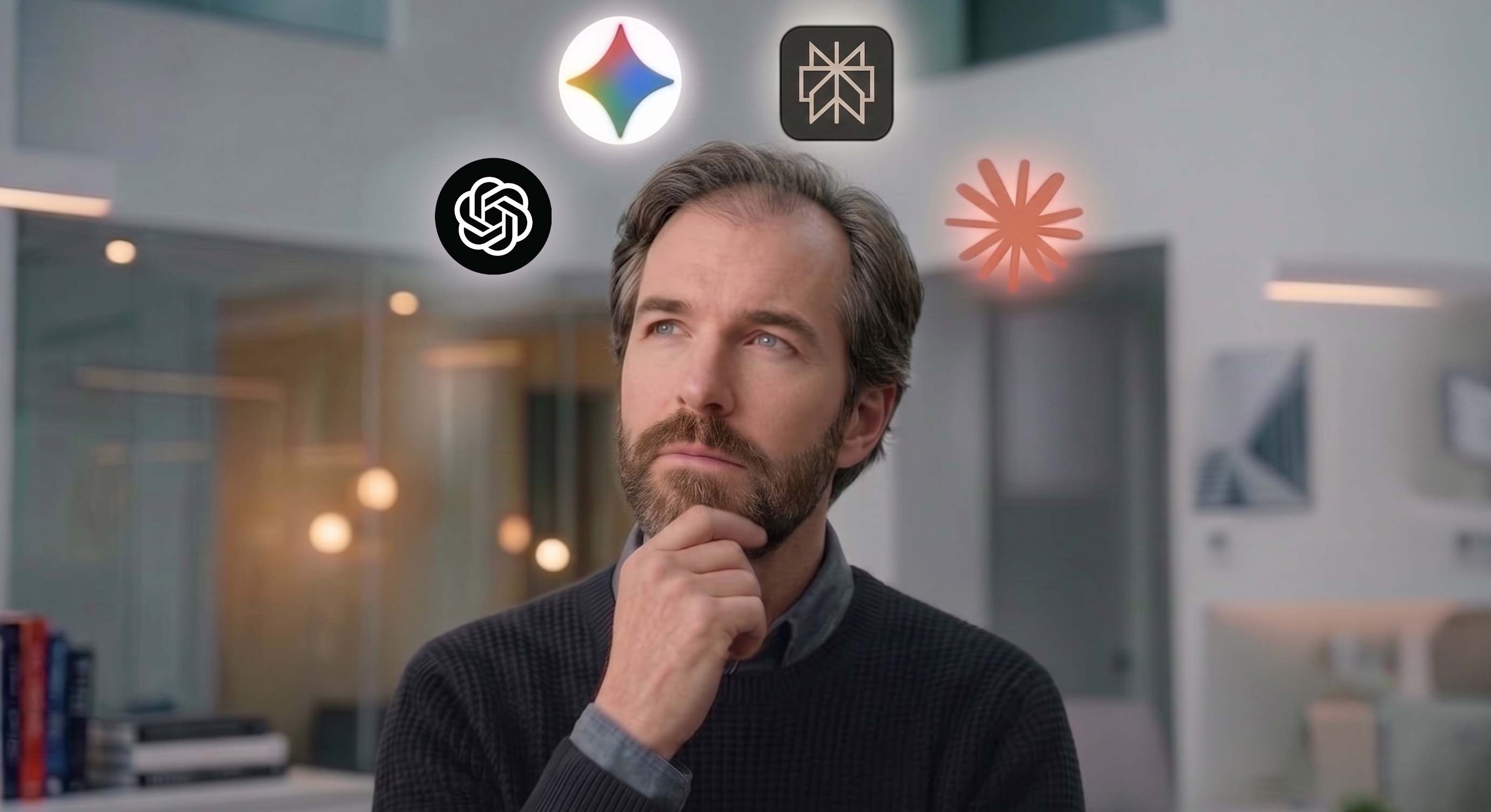
At Smile Hair Clinic, a leading hair transplant clinic in Istanbul and the world’s first and only A-Rated TEMOS-accredited hair transplant clinic, consultation teams have noticed a clear shift over the past year. Patients are no longer relying only on search engines. Many now use AI tools like ChatGPT, Gemini, and Perplexity to learn about hair loss, compare procedures, prepare questions, and evaluate clinics before speaking with a medical team.
AI Is Changing the Way Patients Research Hair Transplants
Patients researching hair transplantation are increasingly using AI to understand medical terms, compare techniques, and prepare for consultations. This trend is especially visible among international patients who are evaluating the best hair transplant clinics in Istanbul before making a decision.
AI can help explain complex topics such as the Norwood scale, androgenetic alopecia, FUE, DHI, Sapphire FUE, shock loss, donor area capacity, graft survival, and post-operative recovery timelines in a more accessible way.
A Helpful Tool, Not a Medical Diagnosis
While AI can be useful for education, it cannot examine a patient’s scalp, assess donor density, determine graft numbers, or replace a consultation with a qualified hair restoration surgeon.
Instead, AI should be seen as a preparation tool. It can help patients understand terminology, organize their questions, and make the consultation process more productive.
Better Questions Lead to Better Consultations
According to Smile Hair Clinic, the quality of AI-generated answers depends heavily on the quality of the questions patients ask. Instead of asking vague questions such as “Am I losing hair?”, patients can receive more useful information by adding context.
For example, a stronger question would be:
“I’m a 34-year-old male. My hairline has been receding for about six years. I have significant thinning on the crown, but my sides and back feel dense. Based on this, what Norwood classification might I fall into, and what does that mean for candidacy and expected graft requirements?”
This type of question allows AI to explain possible classifications, donor area considerations, and general graft expectations without replacing professional diagnosis.
Other useful questions patients may ask include:
“What is the difference between androgenetic alopecia and telogen effluvium, and how would I know which one I have?”
“What blood tests are typically recommended before a hair transplant and why?”
“I’ve been taking finasteride for two years. How does this affect my candidacy and my expected results?”
Understanding Hair Transplant Techniques
AI can also help patients better understand the difference between hair transplant procedures. Rather than asking a general question such as “Which is better, FUE or DHI?”, patients can ask more specific questions based on their own situation.
For example:
“I have fine, straight hair and moderate crown thinning. I want maximum density in the recipient area and I’m considering an unshaven transplant. Given these factors, walk me through the clinical reasoning for choosing between FUE, DHI, and Sapphire FUE, including the trade-offs a surgeon would actually weigh.”
This helps patients move beyond marketing language and understand the medical reasoning behind different techniques.
Evaluating Clinics With a More Informed Perspective
AI can be particularly useful during the clinic research stage. Patients comparing the best hair transplant clinics in Istanbul can use AI to create a more structured evaluation framework.
Useful questions include:
“What are the clinical and operational criteria a patient should use to evaluate a hair transplant clinic? Include factors related to surgeon involvement, facility accreditation, graft handling protocols, and realistic result expectations.”
“A clinic is quoting me 4,200 grafts for a Norwood 4 pattern. Is this a reasonable estimate, and what variables would make it higher or lower?”
“What questions should I ask during a hair transplant consultation to understand the level of surgeon involvement?”
“What does TEMOS accreditation mean for a medical facility, and what standards does it require?”
These questions can help patients evaluate clinics with a more informed and realistic perspective.
Recovery Questions Patients Commonly Ask AI
Post-operative concerns are also one of the most common reasons patients turn to AI. Since recovery can involve temporary shedding, scabbing, shock loss, and uneven growth timelines, AI can help patients understand what may be normal and what should be checked by a medical team.
Examples include:
“Walk me through a realistic week-by-week recovery timeline after an FUE hair transplant, including what is normal, what is a warning sign, and what typically happens to transplanted hairs in months 1 through 12.”
“It is day 11 after my FUE transplant. I have significant scabbing in the recipient area and some of the transplanted hairs appear to be falling out with the scabs. Is this normal?”
“I am 4 months post hair transplant and I cannot see any new growth yet. My surgeon said this is within normal range. What does the clinical literature say about the growth timeline?”
Professional Verification Remains Essential
Smile Hair Clinic emphasizes that AI should support not replace professional medical advice. Any clinically specific information, treatment recommendation, or claim found through AI should be verified directly with a qualified hair restoration surgeon.
The rise of AI-assisted research reflects a broader shift in healthcare communication. Patients are becoming more informed before entering the consultation room, and when used correctly, AI can help create more productive conversations between patients and medical teams.
AI is not a replacement for a qualified surgeon. But it is a powerful tool for becoming an informed patient when used with specificity, critical thinking, and professional verification.
About Smile Hair Clinic
Smile Hair Clinic is a TEMOS A-rated hair transplant clinic in Istanbul and is recognized as the first and only hair transplant clinic in the world to receive TEMOS A-Rated accreditation. As one of the best hair transplant clinics in Istanbul, surgical team performs consultations in English, German, French and many languages. The clinic focuses on delivering personalized hair transplantation journeys through medical expertise, international patient experience, and a patient-centered approach.
Berk Elmas
Smile Hair Clinic
+90 549 149 24 00
email us here
Visit us on social media:
Instagram
Facebook
YouTube
TikTok
X
Legal Disclaimer:
EIN Presswire provides this news content "as is" without warranty of any kind. We do not accept any responsibility or liability for the accuracy, content, images, videos, licenses, completeness, legality, or reliability of the information contained in this article. If you have any complaints or copyright issues related to this article, kindly contact the author above.
